Timeline
The Philippine Revolution
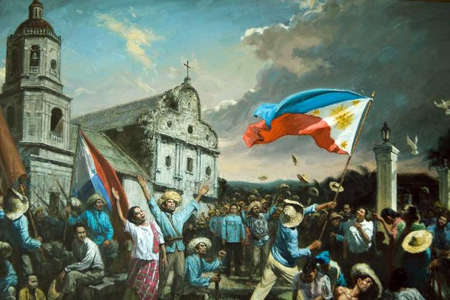
The Philippine Revolution is the combination of two wars, the Filipino uprising against the Spanish rule and the Philippine-American War which covered the duration from 1896 to 1902. This is a timeline view of the significant events of this period.
Read More
Miguel Malvar comes of good plain people who have lived for generations in the Batangas country, acquiring considerable wealth and a reputation for honesty and square dealing. View a Timeline representation of the significant events of Miguel's Life before, during and after the Philippine Revolution
Read More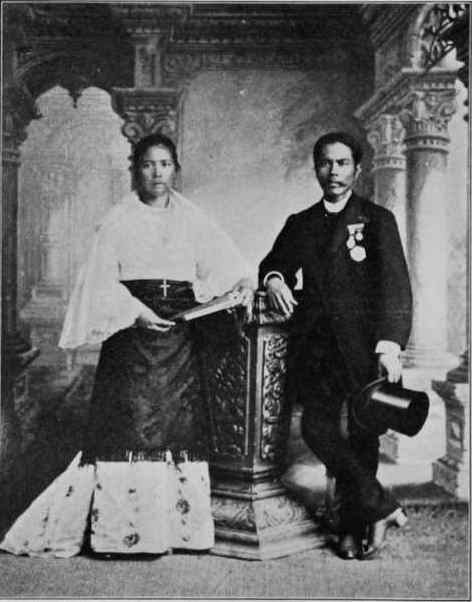
The people of wealth and education, and there is still much of both throughout the province, seem to prefer the experiment of a Malay republic to the assured stability of American government, It is incomprehensible, but nevertheless true....
Read MoreHere's a collection of some 3D representations of historical artefacts.
View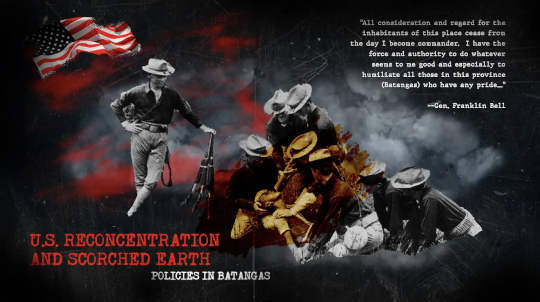
General Bell insisted that he built these camps to "protect friendly natives from the insurgents, assure them an adequate food supply" while teaching them "proper sanitary standards." The commandant of one of the camps referred to them as the "suburbs of Hell." These tactics were employed on towns that were actively aiding the guerilla forces of Malvar. The warning to Malvar was clear: he either had to give up the struggle or the “detainees" would face mass starvation
Read More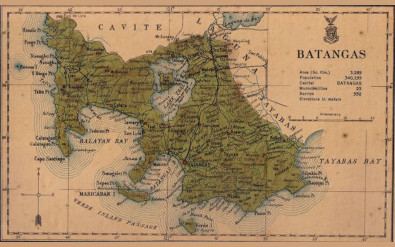
Batangas is the hub of this Brigade. The insurrection has been more vigorously and numerously sustained here, I think, than elsewhere, because Batangas, being richer, has contributed more members to foreign juntas than have the other provinces. These leaders advise their families and friends here to continue the struggle....
Read More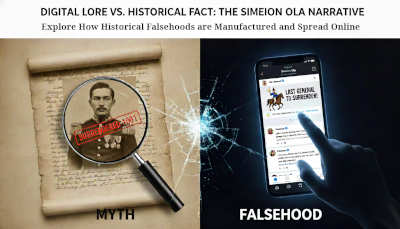
In an era where social media trends can rewrite history, how much of what we know is true? This article tackles the viral narrative of Simeon Ola, celebrated as the last Filipino general to surrender. We'll explore how historical falsehoods are manufactured and spread online, turning myth into accepted fact.
Read More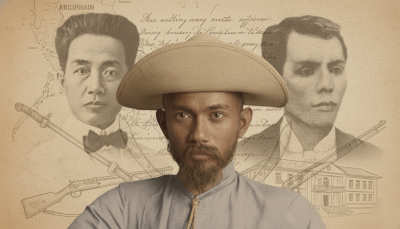
Caught between two revolutionary leaders, Miguel Malvar navigated the deadly rivalry between Andres Bonifacio and Emilio Aguinaldo following the Tejeros Convention. Seeking military aid from Bonifacio while needing rice from Aguinaldo , Malvar's shifting allegiances played a role in the events leading to the Supremo's tragic execution.
Read More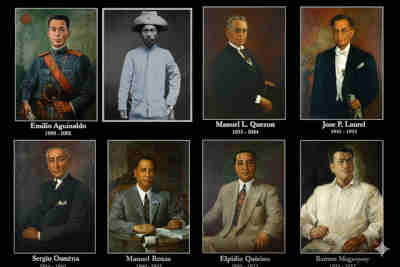
Despite overwhelming evidence indicating Miguel Malvar was the direct successor to Emilio Aguinaldo, he is not officially recognized as the second President of the Philippines. This article presents the compelling case for correcting this glaring historical omission and giving Malvar his rightful place.
Read More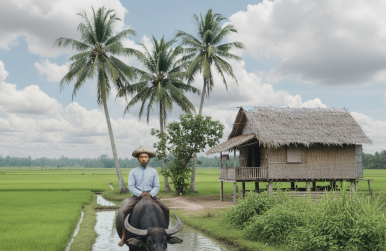
Malvar devoted his remaining years to business concerns, raising poultry and growing sugarcane, rice, oranges and other fruit trees. He was so suited to tilling the soil that he managed to develop a new variant of the orange which was named after him—the "malvarosa"
Read More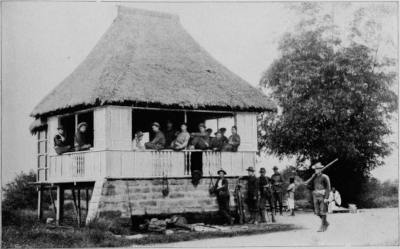
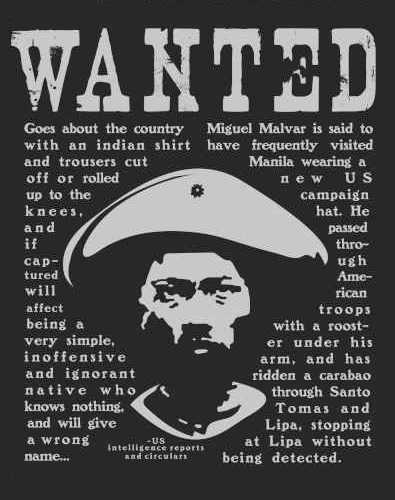
The US military experienced difficulty in capturing Malvar because they lacked a clear description of him. This story describes how a young lieutenant's act of kindness resulted to Malvar's capture and the series of circumstances that led to his accidental release.
Read More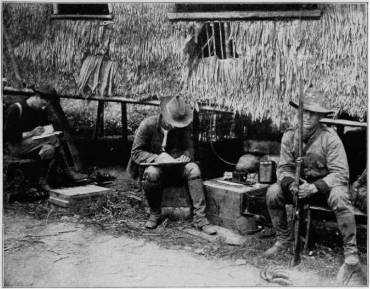
A US seargent writes his aunt regarding his experiences in Samar and Batangas, his assesment regarding the war and the overall political and social situation of the time
Read More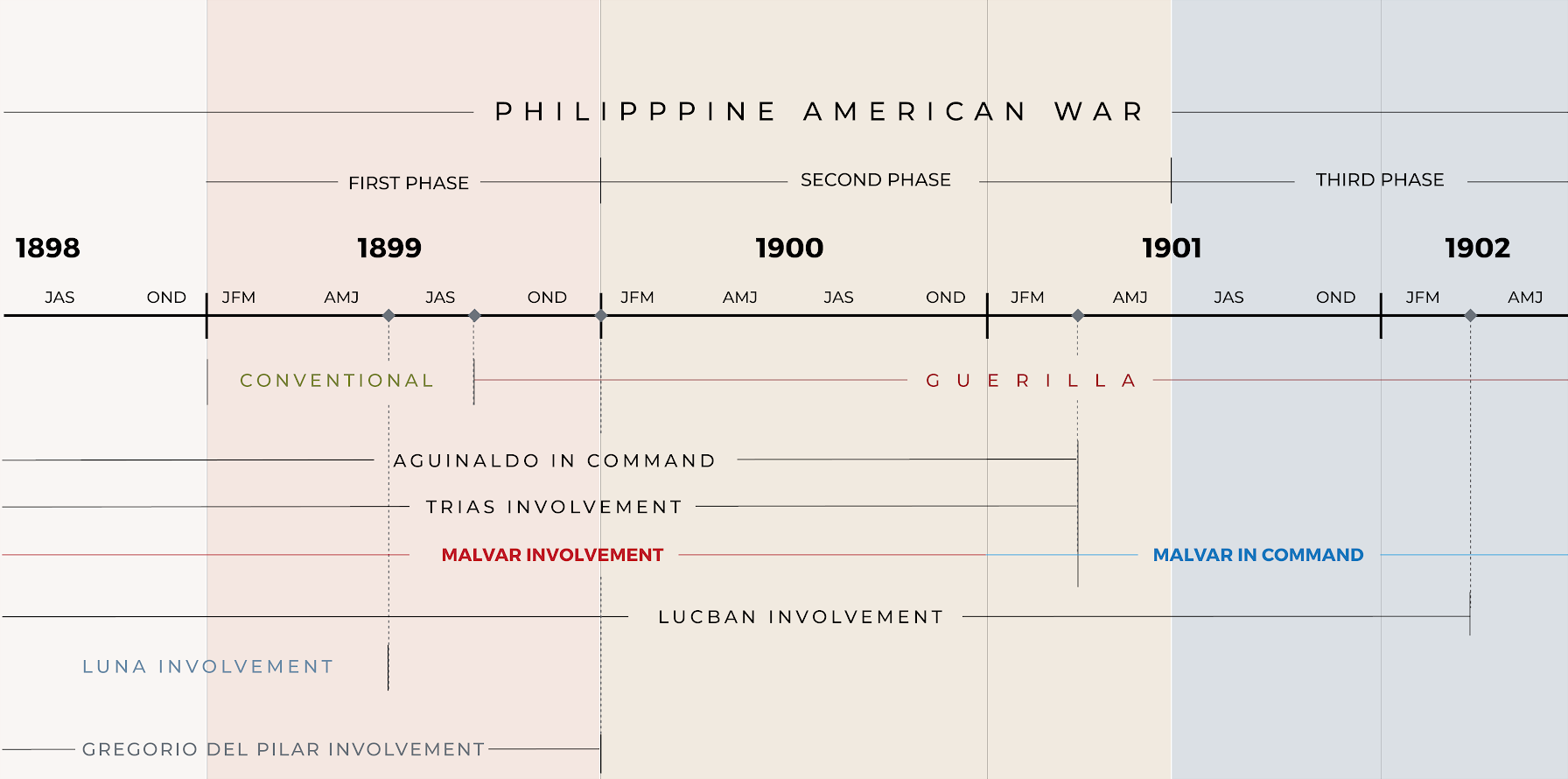
In his paper External Discipline during Counterinsurgency: A Philippine War Case Study, John S. Reed asserts that military operations during the Philippine-American War moved through three distinct phases: conventional, guerrilla and scorched earth
Read More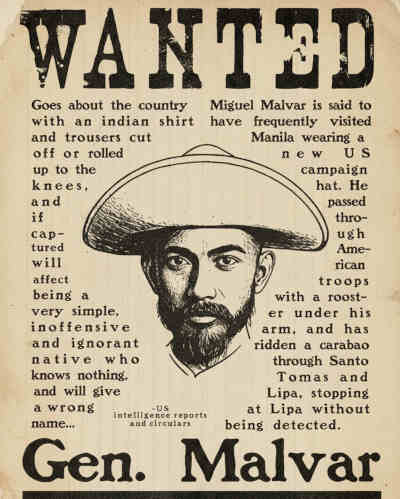
How do you capture a ghost? General Miguel Malvar was a legend, an adversary so respected that his enemies chronicled his exploits. A master of disguise, he walked freely among American troops, sometimes with a rooster under his arm, his true identity unknown. Protected by thousands of loyal followers who refused to betray him for a fortune, Malvar was more than a guerilla leader; he was an elusive symbol of defiance, always one step ahead.
Read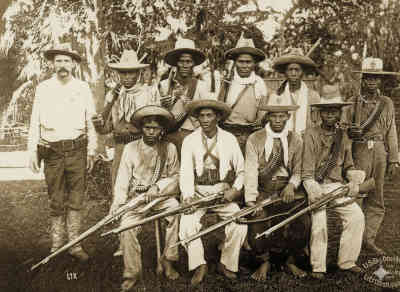
At age nine, Regina Malabanan witnessed Macabebe scouts kill her two older siblings. Fleeing the "zona," she and her younger brother were separated from their wounded mother and adopted by General Malvar. She provides an intimate, firsthand account of the hardships and final surrender of the revolution's last general.
Read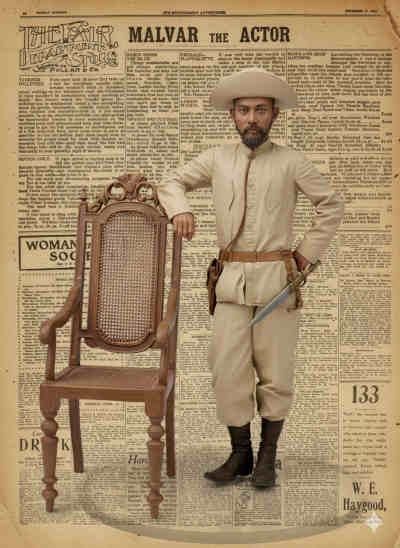
Malvar, the legendary rebel, was a "born actor" adept at disguise, evading capture as a simple countryman, peddler, or cock-fighter. Major R. L. Bullard reveals why this tenacious guerrilla leader, the people's romantic hero, required cunning and luck, not force, to defeat.
Read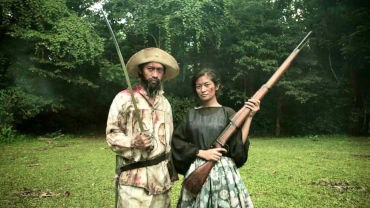
NHCP: Malvar Documentary
Known for whose surrender ended the Philippine-American War, Miguel Malvar is remembered by his descendants and historians in this documentary, produced by the National Historical Commission of the Philippines.
Watch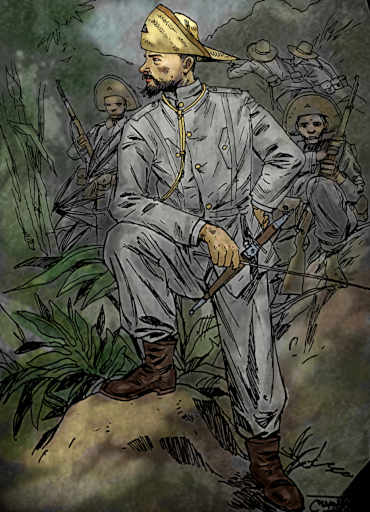
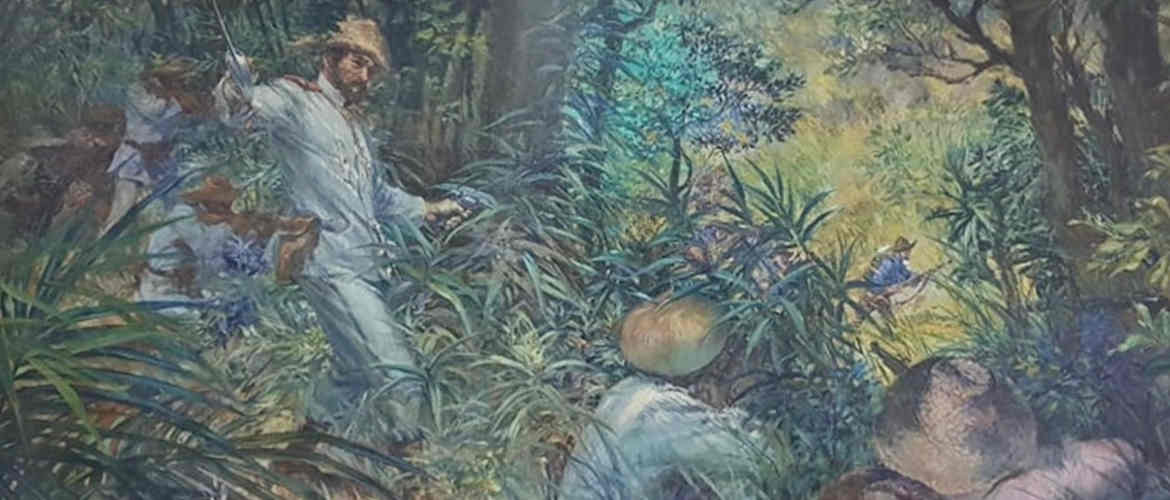
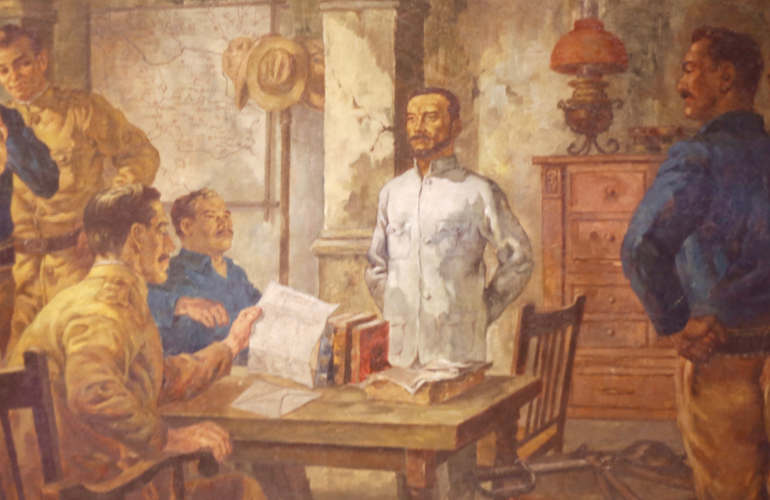
Derrick Macutay, a Filipino mural artist and contemporary painter created his Malvar Artwork Series, depicting the life of the Batangueño hero.
View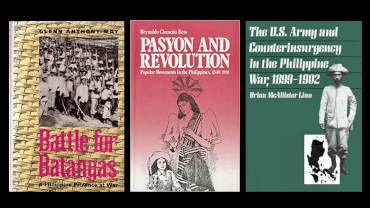
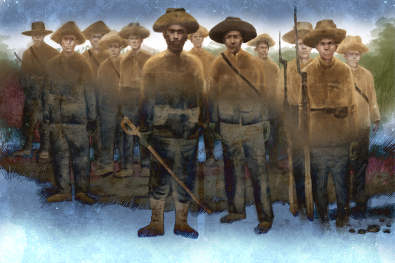
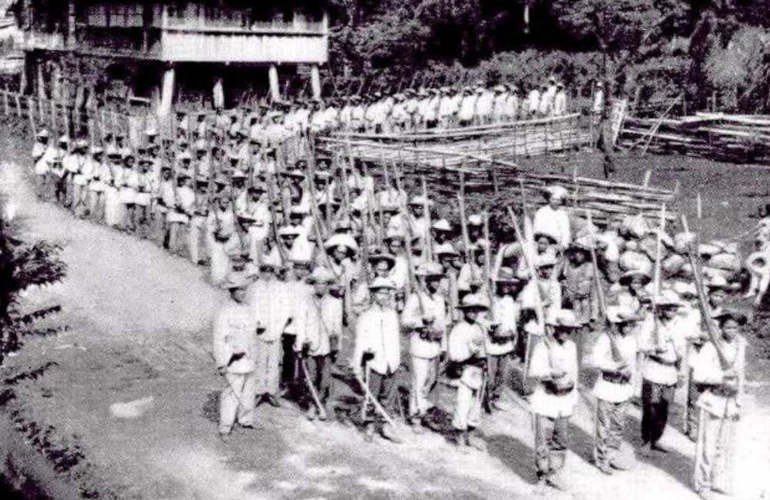
The success of the insurgency was a result of the efforts and sacrifices of these unsung heroes.
Read More